A high-performance battery storage system consists of more than just battery modules. Inverters, grid connection components, energy management, communication hardware, and metering technology ensure that generation, consumption, storage, and energy trading work together optimally.

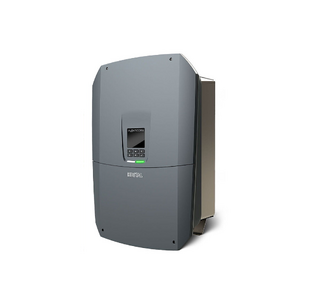
The inverter is a central component of every battery storage system. It connects the battery, power grid, consumers and, where applicable, the photovoltaic system. Choosing the right inverter affects not only the system’s efficiency, but also its performance, future viability and cost-effectiveness.
Batteries store electrical energy as direct current (DC). Since the public power grid and most consumers operate on alternating current (AC), an inverter is required. It converts electricity in both directions, enabling the battery storage system to charge and discharge.
An inverter does much more than simply convert electricity. It controls energy flows between the battery storage system, photovoltaic system, consumers and the power grid. It also enables functions such as load management, backup power supply, dynamic electricity tariffs and participation in energy markets. Modern inverters continuously communicate with the energy management system to ensure safe and efficient operation.
Choosing the right inverter depends on various factors, including the power of the battery storage system, the size of the PV system, the grid connection and planned applications such as backup power, peak shaving or energy trading. Other important criteria include high efficiency, reliable communication with other system components and compatibility with the energy management system in use.
European inverter manufacturers stand for high quality standards, long-term product availability, and compliance with European standards and safety requirements. Short service routes, regular software updates, and a high level of investment security make them a reliable choice for demanding commercial and industrial energy storage projects.


9 to 10 Modules
56,25 to 62,5 kWh
0,8 – 1 C *
Compatible with TESVOLT FORTON
5 to 10 Modules
31,25 to 62,5 kWh
0,48 – 1 C *
Compatible with TESVOLT FORTON , TESVOLT TAYTAN
3 to 8 Modules
18.75 kWh to 50 kWh
Compatible with TESVOLT TAYTAN

A PCS (Power Conversion System) is a bidirectional power system that converts direct current from the battery into alternating current and vice versa.
An inverter is the central unit responsible for power conversion. A PCS typically also includes control, communication, protection technology and grid support functions. However, the terms are often used interchangeably.
A PCS controls the charging and discharging of the battery storage system, regulates active and reactive power, and supports grid stability. This enables applications such as peak shaving, energy trading and ancillary services.
The PCS power rating must match the battery capacity, the required charging and discharging power, and the requirements at the grid connection point. An undersized PCS can limit the system’s usable power and restrict potential business models.
A PCS is used in commercial and industrial battery storage systems as well as in utility-scale and containerized storage solutions. It connects the battery storage system to the power grid and controls the energy flow during charging and discharging.
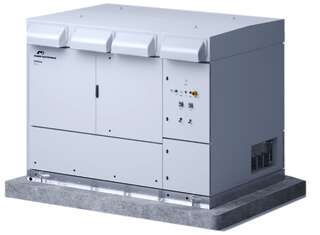
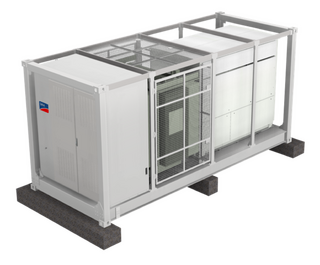
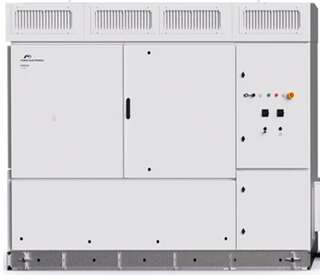
TESVOLT uses the Multi PCSK from Power Electronics (Spain), a European manufacturer, as its high-performance Power Conversion System (PCS). This bidirectional PCS connects the battery storage system to the power grid, converting direct current (DC) into alternating current (AC) and, during charging, converting AC back into DC. It is particularly well suited for large commercial and industrial energy storage projects.

Energy management refers to the intelligent monitoring, control and optimization of energy flows in businesses, buildings and energy systems. Its goal is to reduce energy costs, increase on-site consumption of solar power, minimize peak loads and improve overall energy efficiency.
Modern Energy Management Systems (EMS) connect battery storage systems, photovoltaic installations, electrical loads and EV charging infrastructure to automatically generate, store and use energy at the optimal time. This helps improve profitability, energy security and sustainability at the same time.
The TESVOLT Energy Manager is an intelligent Energy Management System (EMS) for battery storage systems, photovoltaic installations and EV charging infrastructure. It automatically controls energy flows, optimizes self-consumption, reduces peak loads, and enables the use of dynamic electricity tariffs as well as participation in energy trading. With forecast-based charging and seamless integration of all system components, the TESVOLT Energy Manager ensures maximum efficiency and transparency across the entire energy system.
Good to know: The TESVOLT Energy Manager is listed by BAFA and may qualify for funding of up to 45% of the investment costs under the BAFA Energy Management Systems funding program. Read more.


A battery storage system can only reach its full potential when it is safely integrated into the power grid in compliance with applicable standards. Grid connection components ensure communication with the grid operator, compliance with technical grid connection requirements, and the reliable operation of the energy system.
The required grid connection components depend on the system size and the grid connection point. These typically include power plant controllers (EZA controllers), grid and system protection (NA protection), remote control technology, switchgear, as well as metering and communication equipment. Together, they ensure reliable interaction between the battery storage system, the photovoltaic installation and the power grid.
For larger commercial and industrial battery storage systems, EZA controllers are often required. They enable grid-compliant control of generation and storage assets in accordance with the grid operator’s requirements and support compliance with relevant standards such as VDE-AR-N 4110.
In many regions, grid connection capacity is limited, and grid upgrades involve long waiting times. Modern battery storage systems can help make more efficient use of existing grid connections while integrating additional loads or generation assets. Concepts such as Shared Connection enable battery storage systems and photovoltaic installations to share existing grid capacity.
The right grid connection components provide the foundation for intelligent applications such as peak shaving, self-consumption optimization , dynamic electricity tariffs and participation in energy markets. This transforms a battery storage system from a simple storage solution into an active part of a modern energy system.


Energy meters form the foundation of precise energy management. They measure energy flows between the battery storage system, photovoltaic installation, electrical loads and the power grid, providing the data required for self-consumption optimization, peak shaving, dynamic electricity tariffs and energy trading.
Depending on the application, smart meters, energy meters, current transformers or power quality analyzers are used. They measure energy import, export, generation and consumption in real time, providing the basis for transparent energy monitoring and accounting.
It is not only the metering technology itself that matters, but also its reliable integration into the Energy Management System (EMS). Certified software modules enable energy meters to be connected and read via established communication standards such as Modbus TCP and MQTT. This allows measurement data from different manufacturers to be collected, processed and visualized in a consistent way.
Modern energy projects often use multiple physical energy meters. Virtual energy meters consolidate this measurement data into a single, unified view of the entire energy system. This makes it possible to analyze the energy flows of battery storage systems, photovoltaic installations and electrical loads together, providing valuable insights for optimization strategies.
Dedicated energy meter variables enable detailed analysis of battery storage system performance. These include values for the total charging and discharging energy of the battery storage system, as well as energy values from power plant controller (EZA) registers recorded since commissioning or meter initialization. This data provides full transparency into actual storage usage and supports the optimization of self-consumption, load management and energy trading strategies.
Accurate measurement data is the basis for every intelligent control decision. Only by combining energy meters, communication interfaces and an Energy Management System (EMS) can a connected energy system automatically optimize energy flows and maximize economic value.


In Front-of-the-Meter (FoM) applications, the primary focus is interaction with the power grid. Energy flows for grid services , energy trading and the commercialization of storage capacity are precisely measured and documented. These applications often require additional metering concepts and revenue-grade meters that comply with legal metrology requirements.
In Behind-the-Meter (BtM) applications, energy flows between the grid connection, electrical loads, the photovoltaic system and the battery storage system are measured. This data provides the foundation for self-consumption optimization, peak shaving and energy management .

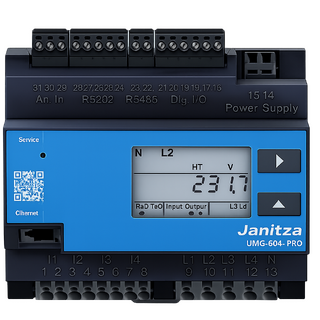
To set up and use the Janitza UMG 604-Pro, the customer or installer requires two software tools:
GridVis can be downloaded free of charge from the Janitza website. Important: In the License Manager, make sure to switch to GridVis Basic.

Modern battery storage systems are part of a connected energy ecosystem. Communication components ensure reliable data exchange and coordinated control between battery storage systems, inverters, energy meters, EV charging infrastructure and Energy Management Systems (EMS).
Intelligent energy management depends on accurate, real-time data. Communication components collect measurement values, transmit operational data and enable real-time control of all connected systems. They provide the foundation for self-consumption optimization, peak shaving, dynamic electricity tariffs and energy trading.
Depending on the project, communication components may include routers, IoT gateways, Ethernet switches, cellular routers and remote control technology. These components connect the different parts of the energy system and provide a secure connection to monitoring portals, Energy Management Systems (EMS) and energy trading platforms.
Modern energy systems rely on standardized communication protocols such as Modbus TCP, MQTT, REST API and IEC 60870-5-104. This enables battery storage systems, energy meters, inverters and other components from different manufacturers to be integrated flexibly and managed through a single centralized platform.
Communication components enable not only local control but also secure remote monitoring of energy systems. Encrypted connections, VPN technologies and role-based access control support secure operation while providing the foundation for remote service, monitoring and software updates.
Reliable communication is essential for applications such as load management, virtual power plants, ancillary services and energy trading. Only when all system components continuously exchange data can energy flows be optimized and the full economic potential of the energy system be realized.
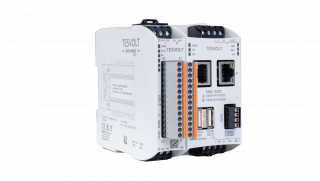
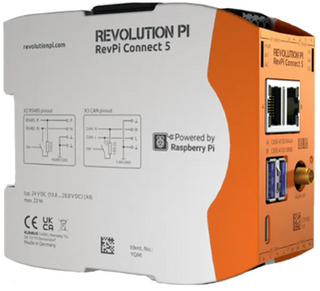
TheTESVOLT IoT Gateway connects battery storage systems, inverters, energy meters and other system components with the TESVOLT Energy Manager and digital platforms. It collects operational data in real time, enables secure communication between all participants in the energy system, and provides the foundation for monitoring, remote maintenance and intelligent energy management.


Backup components ensure that an energy storage system can continue operating reliably during a power outage. They detect grid disturbances, safely disconnect the energy system from the public power grid, and enable selected loads to be supplied with power from the battery storage system.
Only with the right backup components can a battery storage system realize its full potential as a backup or emergency power solution. They provide the technical foundation for safe island operation and ensure coordinated interaction between the battery storage system, the inverter and connected loads.
A backup power solution typically consists of several components. These include automatic transfer switches, backup controllers, protection and switching equipment, and compatible inverters with backup power capability. Together, they ensure that the power supply can be maintained quickly and safely in the event of a grid outage.
Modern backup components continuously monitor grid quality. In the event of a power outage or grid disturbance, they automatically switch to backup power operation within seconds. Once grid power is restored, the system is safely and seamlessly returned to normal operation.
For safe and reliable long-term operation, TESVOLT relies on proven, compatible system components from leading manufacturers. This ensures backup power solutions that deliver high availability, investment security and a dependable energy supply.


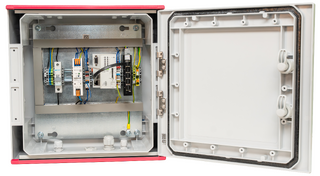
Off-Grid / Backup Box for Sunny Island X. Works with TESVOLT FORTON and TESVOLT TAYTAN
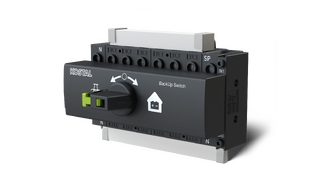
A photovoltaic system equipped with the KOSTAL PLENTICORE G3 inverter and a connected TESVOLT TAYTAN battery storage system is ideally complemented by the KOSTAL BackUp Switch for reliable backup power operation.

Protection technology is essential for the safe operation of battery storage systems. It protects people, equipment and the power grid from damage caused by short circuits, overloads, overvoltages and grid disturbances, while ensuring that all system components operate together in compliance with applicable standards.
Battery storage systems, inverters, energy meters and grid connection components operate at high power levels and manage complex energy flows. Modern protection systems continuously monitor the condition of the installation and automatically intervene whenever critical operating conditions are detected. This minimizes downtime and enhances operational safety.
Depending on the system size and application, different protection components are required. These include circuit breakers, fuses, disconnect switches, surge protection devices, grid and system protection (NA protection), and protection relays. Together, they safely isolate individual parts of the installation and protect the energy system against electrical faults.
Grid and system protection is a key element of modern battery storage projects. It continuously monitors critical grid parameters such as voltage and frequency, ensuring that the installation complies with the grid operator’s requirements. This is particularly important for commercial and industrial battery storage systems and for medium-voltage grid connections.
Lightning strikes, switching operations and grid disturbances can cause dangerous overvoltages. Dedicated surge protection systems safeguard sensitive components such as inverters, Energy Management Systems (EMS) and communication equipment. Additional safety and fire protection measures help minimize risks and ensure the long-term availability of the installation.
Professional protection technology is essential for the reliable and standards-compliant operation of battery storage systems. It increases the availability of the energy system, protects the investment and supports the long-term operational safety of commercial and industrial installations.
TESVOLT relies on a multi-layer protection concept that covers all relevant system levels—from the grid connection and inverter to the battery system. Only proven, standards-compliant components are used, specifically selected to meet the requirements of commercial, industrial and utility-scale energy storage projects.
For grid integration, the TESVOLT Energy Controller Pro S or TESVOLT Energy Controller Pro L is used, depending on the application. These systems ensure compliant implementation of active and reactive power control requirements and support adherence to current grid connection standards such as VDE-AR-N 4110.
At the inverter level, integrated protection functions continuously monitor voltage, current and other grid parameters. In addition, fuses, current and voltage transformers, as well as grid and system protection devices, safeguard the installation against electrical faults and critical operating conditions.
Within the battery system, the Battery Management System (BMS) continuously monitors all safety-critical parameters, including cell voltages, temperatures, charging and discharging currents, and protection against deep discharge, overcurrent and overheating. Additional DC protection components provide short-circuit protection and further enhance operational safety.
Because every energy storage project has unique requirements regarding grid connection, power class and application, the protection system is engineered on a project-specific basis and designed in close coordination with the respective grid operator.
All our storage systems can be monitored continuously using BATMON software. This software visualises the status of the entire system, all battery modules and each individual cell. Our system also displays the voltage, state of health (SOH) and state of charge (SOC). This allows users to detect and correct any deviations and defects promptly.


 by Cicero Design

 German